
Nothing’s more frustrating than expecting a cool breeze from your air conditioner—only to be met with warm, stale air instead. Especially during a hot and humid Alabama day, a malfunctioning AC can make your home feel unbearable. If your AC is blowing warm air, it’s more than just a comfort issue—it could be a sign of a deeper problem.
The good news? Not all warm air issues require a full system replacement. In many cases, it could be something simple like a clogged filter or thermostat setting. Still, ignoring the problem can lead to bigger, more expensive repairs down the road. In this blog, we’ll walk you through what to check, why your AC might be blowing warm air, and when it’s time to call in the pros.
Common Causes of an AC Blowing Warm Air
Warm air from your AC can be caused by a variety of issues—some simple, some complex. Identifying the root cause early helps prevent further damage to the system and restores comfort faster. While some homeowners may be able to troubleshoot minor problems themselves, others may require professional attention.
Understanding the most common culprits can help you narrow down the problem and determine the best solution.
Check Your Thermostat First
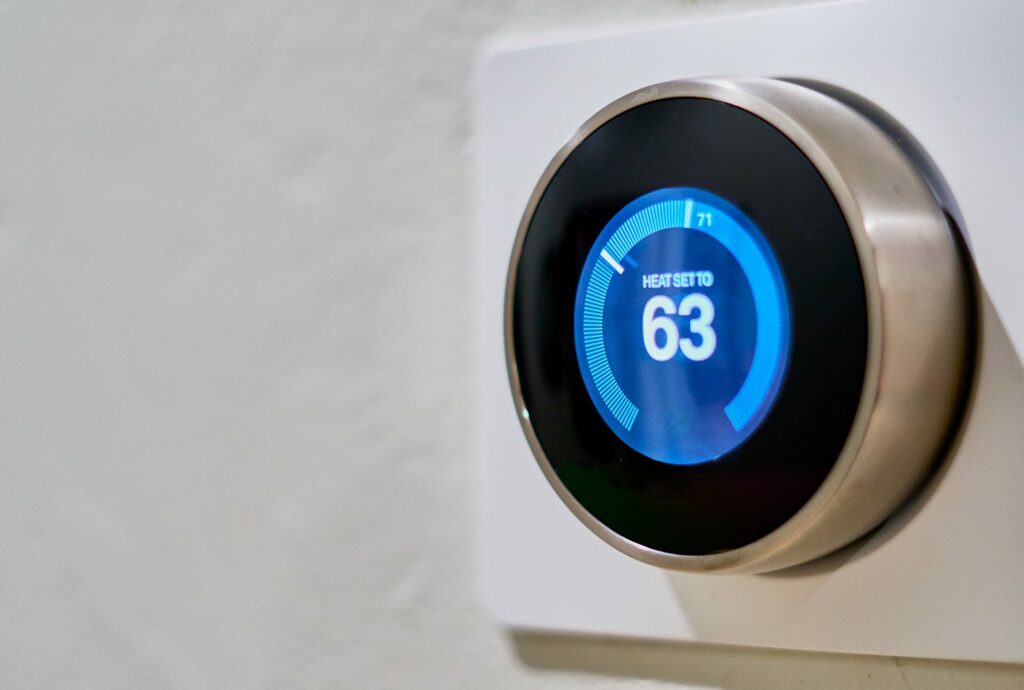
It might sound too simple to be the issue, but your thermostat settings are the first thing to check if your AC is blowing warm air. Thermostats can be accidentally changed, especially with programmable or smart models. One wrong setting can throw off the entire system.
Ensure it’s set to “cool” and not “heat” or “fan.” The “fan” setting will circulate air without cooling it, while the “heat” setting is self-explanatory. Also check the target temperature—if it’s set higher than the current room temp, your AC won’t turn on the cooling cycle.
Some smart thermostats auto-adjust based on routines, geofencing, or energy-saving modes, so double-check your app to make sure it’s not running an “eco” schedule that limits cooling.
A Dirty Air Filter Can Restrict AC Cooling
Your AC system depends on airflow, and a clogged air filter can stop it in its tracks. A filter packed with dust and debris prevents enough air from passing over the evaporator coil, which may cause the coil to freeze or force the unit to overwork itself trying to cool your home.
Reduced airflow can make your AC feel like it’s blowing warm air when, in reality, it’s just not moving cooled air properly throughout your home. In worse cases, a dirty filter causes the system to shut down to prevent overheating, leaving you stuck in the heat until it’s cleaned or replaced.
Check your filter monthly and replace it every 1–3 months depending on pets, allergies, and overall usage. A clean filter is a small fix with big results.
Is the Outdoor Unit Working?
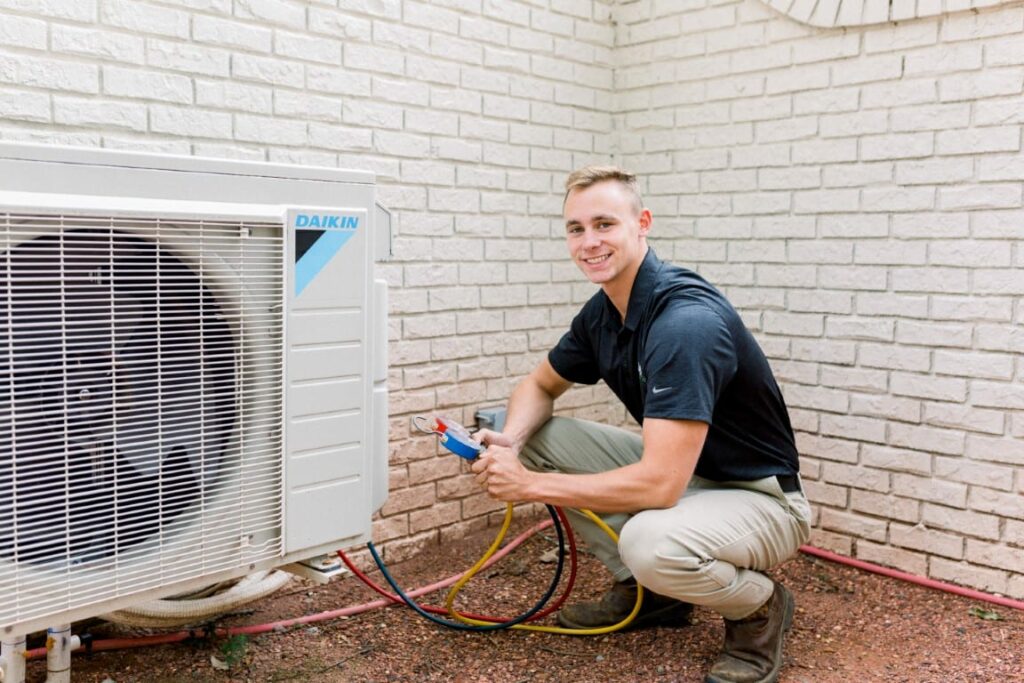
Your AC system consists of an indoor unit (evaporator) and an outdoor unit (condenser). If your indoor system is running but your outdoor condenser isn’t, the system can’t release the heat it’s pulling from your home—so it just ends up recirculating warm air.
Walk outside and listen for the hum of the condenser fan and compressor. If it’s silent, you may have a power issue. Check the disconnect switch outside and your home’s electrical panel for a tripped breaker.
If your outdoor unit has power but still won’t turn on, you may have a capacitor, contactor, or compressor issue—all of which need a technician to resolve safely.
Low Refrigerant Levels Can Kill Cooling Power
Refrigerant is essential to your AC’s cooling process. It absorbs heat from inside your home and releases it outside. If the refrigerant level is low, the system won’t be able to remove enough heat—so the air blowing out stays warm or only slightly cooler than room temperature.
Signs you have a refrigerant issue include:
- Warm air from vents even when system runs nonstop
- Icy buildup on the indoor coil or refrigerant line
- Hissing or bubbling sounds (often indicating a leak)
- High humidity indoors despite the AC running
Since refrigerant is not something that “runs out” unless there’s a leak, this issue requires professional repair and recharging.
Dirty or Frozen Evaporator Coils
When the evaporator coil becomes dirty or frozen, it can no longer absorb heat effectively. You might still feel some air blowing from the vents, but it will be warm or barely cool. The coil may freeze due to airflow issues, dirty filters, or low refrigerant.
Letting a frozen coil thaw can take several hours, and running the AC in this state can lead to compressor damage—one of the most expensive fixes in HVAC. If your AC is blowing warm air and you notice frost or water near the air handler, shut the system off and call for service immediately.
Compressor Failure: A Major AC Red Flag
The compressor is often called the “heart” of your AC system. It compresses the refrigerant and pushes it through the coils to cool your home. When it stops working, the system can’t function, and warm air is the result.
Compressor failure is one of the most expensive AC issues, and unfortunately, it’s more common in older systems. If your unit is over 10 years old and the compressor fails, replacement might be more cost-effective than repair.
Some signs of compressor failure include:
- The outdoor unit hums but the fan doesn’t spin
- The system starts, then shuts off quickly
- Strange noises from the unit
- Warm air despite correct settings and full airflow
If you suspect your compressor is the issue, don’t wait—continued use can further damage the system.
Ductwork Problems Can Waste Cool Air
Even if your AC is working perfectly, leaky ductwork can mean that cool air never reaches your living spaces. Instead, it escapes into your attic, crawl space, or between walls—leaving you to wonder why it feels like the AC is only blowing warm air.
Dust buildup, gaps in seals, disconnected ducts, or even rodent damage can reduce the efficiency of your system and waste a lot of money on lost cooling. If you’ve noticed certain rooms feel warmer than others or your energy bill seems higher than expected, your ducts may be to blame.
A professional duct inspection can identify and seal leaks, restore proper airflow, and improve indoor comfort and energy savings.
Routine Maintenance Keeps AC Problems Away
Preventative maintenance is one of the most effective ways to keep your AC blowing cold air all season long. A spring tune-up gives your technician a chance to:
- Check and top off refrigerant
- Clean coils and drain lines
- Tighten electrical connections
- Test capacitor performance
- Clean or replace filters
- Identify small problems before they become big ones
Regular maintenance not only improves efficiency and extends your system’s lifespan but also gives you peace of mind when Alabama temps hit the high 90s.
When to Replace Instead of Repair
Sometimes, your AC blowing warm air is the symptom of a larger issue that keeps repeating. If your system is old, out of warranty, or costing you a fortune in repairs and energy bills, replacement might be the better option.
Here are signs it might be time to upgrade:
- Your unit is 10–15+ years old
- Repairs are becoming frequent or costly
- The compressor or coil is damaged
- Energy bills keep rising
- You want to improve efficiency with newer technology
A new AC unit can offer better airflow, stronger cooling, and smarter energy use—plus peace of mind during the hottest days of summer.
Don’t Ignore the Signs
If your AC is blowing warm air, don’t shrug it off or hope it’ll fix itself. In Alabama’s heat, cooling isn’t a luxury—it’s a necessity. From simple thermostat settings to more serious mechanical problems, warm air is a sign that your system needs attention.
Start with the basics: check your settings, inspect the air filter, and make sure the outdoor unit has power. If the issue persists, call a professional to inspect your AC before it leads to bigger and more expensive repairs.
At Autumn Air Home Services, we help homeowners in Birmingham troubleshoot and solve their AC issues fast. Whether you need a repair, a tune-up, or a full system replacement, our team is ready to keep your home cool and your system running strong.