
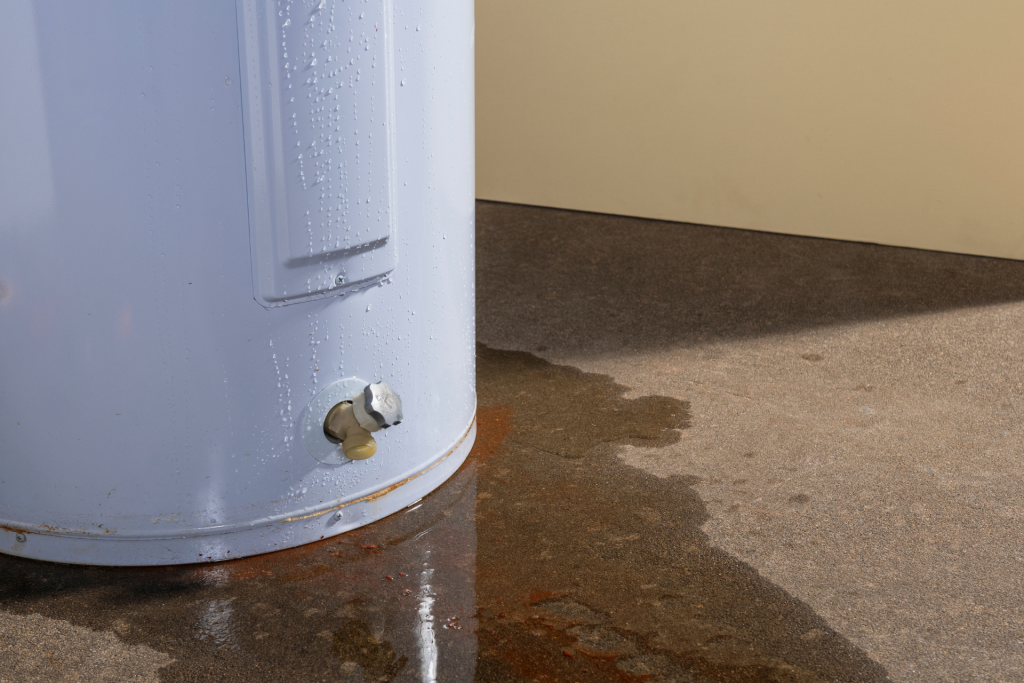
Have you ever noticed how water heaters seem to have an uncanny ability to fail at the most inconvenient moments? It’s 11 PM, you’re getting ready for bed, and suddenly there’s water pooling in your basement. Or perhaps it’s 5 AM on a Monday when you discover your morning shower is ice cold. This timing isn’t just bad luck – there’s actually a scientific explanation for why water heaters often reach their breaking point during the worst possible hours.
The Science Behind the Midnight Breakdown
Water heaters work hardest during peak usage times, typically early mornings and evenings when families are home. During these periods, the system experiences its greatest stress as it rapidly heats water to meet demand. However, the actual failure often occurs during the quiet hours of the night or early morning, when the system finally has a chance to reveal underlying problems that have been masked by constant use.
The Role of Temperature Fluctuations
In Birmingham’s climate, nighttime temperature drops can play a significant role in water heater failures. As ambient temperatures fall, any existing weaknesses in your system become more pronounced. Metal contracts in colder temperatures, which can cause tiny leaks to suddenly become major problems. It’s similar to how a small crack in your car’s windshield might suddenly spread during a cold snap.
Pressure Changes and Their Impact
During the night, water pressure often increases throughout municipal systems as overall usage decreases. This higher pressure can stress already weakened components in your water heater, particularly if you don’t have a functioning pressure relief valve. Think of it like a balloon slowly being inflated – eventually, the weakest point will give way under the increasing pressure.
Why Age Matters More Than You Think
The Sediment Time Bomb
Over time, minerals in your water settle at the bottom of your water heater tank. This sediment buildup doesn’t just reduce efficiency – it can create hot spots on the tank’s bottom, leading to metal fatigue and eventual failure. The process is gradual, but the actual breach often occurs during those quiet night hours when the tank is maintaining temperature with minimal water movement.
The 8-12 Year Life Expectancy
Most water heaters are designed to last between 8 and 12 years, but this lifespan can be significantly shorter in areas with hard water, like many parts of Alabama. The problem is that many homeowners don’t know the age of their water heater or ignore the warning signs of impending failure. It’s like driving a car without checking the odometer – eventually, something’s going to give.
Warning Signs You Might Be Missing
The Subtle Hints of Impending Failure
Before that midnight disaster strikes, your water heater usually tries to warn you. Rusty water, subtle changes in water temperature, or unusual noises during heating cycles are all red flags. However, these signs are easiest to notice during periods of low usage – exactly when most people aren’t paying attention to their water heater.
The Morning After Effect
Many homeowners report noticing slight irregularities in their hot water supply during morning showers in the days leading up to a complete failure. The system might take longer to heat up, or the hot water might not last as long as usual. These symptoms often appear first thing in the morning because the heater has been working overnight to recover from evening usage.
The Perfect Storm: Why Timing Matters
Peak Stress Periods
Your water heater experiences its highest stress levels during evening hours when multiple household activities demand hot water simultaneously. Dishes, laundry, and showers create a perfect storm of usage that can push a failing unit to its limits. However, the actual breakdown often waits until those quiet hours when the system tries to recover.
The Recovery Period Problem
During normal operation, your water heater goes through regular heating cycles to maintain its set temperature. These recovery periods become more frequent and longer as the unit ages or develops problems. The most challenging recovery period typically occurs during the early morning hours, which is why you might wake up to a flooded basement or no hot water.
Prevention: Breaking the Midnight Curse
Regular Maintenance Matters
The best way to avoid a midnight water heater crisis is through regular maintenance. Annual inspections can catch potential problems before they become emergencies. During these checks, a professional can assess sediment buildup, test pressure relief valves, and identify signs of corrosion or wear.
The Role of Water Quality
Birmingham’s water quality can significantly impact your water heater’s lifespan. Installing a water softener or regular flushing of your water heater can help prevent premature failure. Think of it like changing your car’s oil – a simple maintenance task that can dramatically extend the life of your equipment.
When to Consider Replacement
The Age Factor
If your water heater is approaching the decade mark, it’s wise to start planning for replacement before you’re forced into an emergency situation. Modern water heaters are more efficient and often come with better warranties than older models. Plus, a planned replacement allows you to shop around and choose the best option for your home rather than making a panic decision at midnight.
Cost Considerations
While replacing a water heater is a significant investment, waiting until failure often costs more in the long run. Emergency service calls, water damage repair, and the premium prices charged for immediate replacement can make a midnight crisis significantly more expensive than a planned upgrade.
Taking Action Before Crisis Strikes
The key to avoiding a midnight water heater emergency is proactive maintenance and monitoring. Pay attention to your water heater’s performance during those early morning showers. Notice any changes in water temperature, color, or pressure. These observations can help you identify potential problems before they become middle-of-the-night emergencies.
At Autumn Air, we’ve seen countless midnight water heater failures, and we understand the stress and disruption they cause. Our experienced technicians can help you assess your water heater’s condition and recommend appropriate maintenance or replacement options before you’re faced with a crisis. Remember, your water heater works tirelessly to provide hot water when you need it – showing it some attention before problems arise can help ensure it doesn’t pick midnight for its final bow.
Don’t wait for the midnight crisis to strike. Regular maintenance, attention to warning signs, and proactive replacement when needed can help ensure your water heater provides reliable service without those inconvenient middle-of-the-night surprises. Your family’s comfort (and your peace of mind) are worth the investment in prevention.

