
You set the thermostat low. The AC hums along all afternoon. Yet your skin still feels sticky and your windows fog up. This is one of the most common complaints homeowners bring to us, and the answer usually has nothing to do with temperature at all. Humidity and temperature are two separate jobs, and your system has to handle both correctly to keep your home comfortable.
Air conditioners cool the air and pull moisture out along the way, but these two tasks do not always happen at the same rate. When a system cools the air faster than it removes moisture, the thermostat reads a comfortable number while the humidity level stays high. Your home reaches the temperature you set, so the AC shuts off before enough moisture has been removed. The result is a house that feels cool on the surface but damp underneath.
Your AC Is Too Large For Your Home
An oversized air conditioner cools a room fast and then shuts off. Short cycles like this do not give the system enough time to pull humidity from the air. A properly sized unit runs longer, cycles less often, and removes far more moisture during each session. If your AC seems to finish cooling in minutes, sizing may be the root cause.
Your Thermostat Fan Setting Stays On
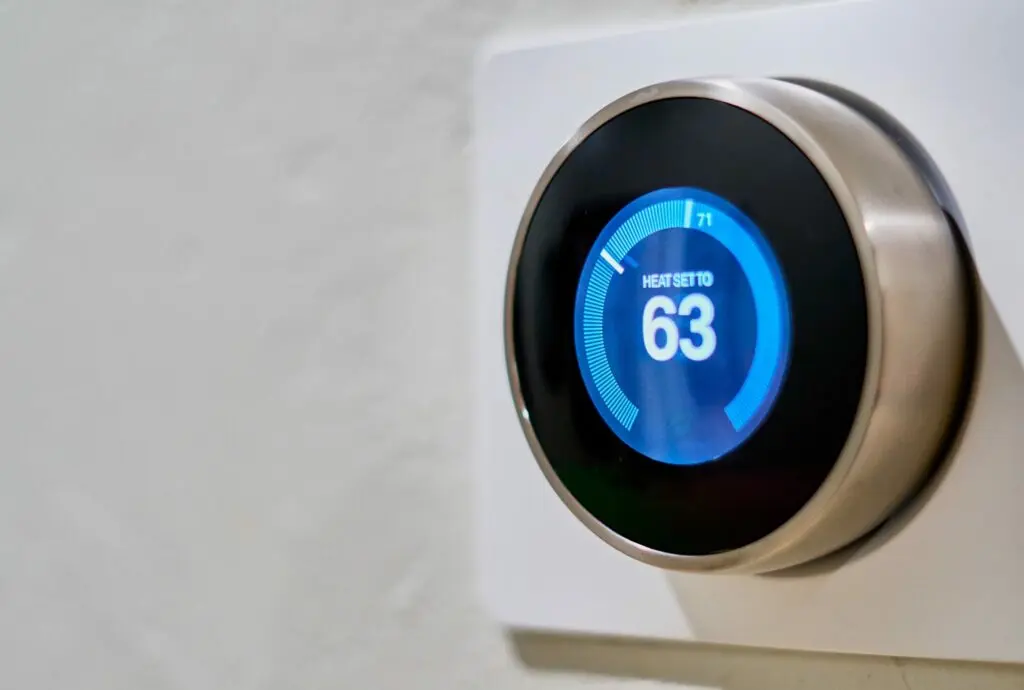
Most thermostats offer two fan modes: auto and on. When set to on, the fan blows continuously, even when the compressor is not actively cooling. During these idle periods, moisture that had collected on the evaporator coil evaporates back into your home instead of draining away. Switching the fan setting to auto solves this issue for many households in a single step.
Your Ductwork Leaks Conditioned Air
Leaky ducts pull humid outdoor or attic air into your home before the cooled air ever reaches your vents. Homes with duct leaks often report rooms that feel muggy even though the system runs constantly. Sealing and insulating ductwork keeps conditioned, dehumidified air where you need it.
Signs Of High Humidity In Your Home
Sticky floors, musty odors, and foggy windows are early warnings. Wood furniture and doors that swell or stick are another clue, since wood absorbs moisture from humid air. Mold spots on bathroom ceilings or closet walls signal moisture levels above the healthy range. A hygrometer gives you an exact reading, and most homes should stay between 30 and 50 percent relative humidity.
How Humidity Affects Comfort And Air Quality
High humidity makes warm air feel hotter than the thermostat suggests, so you lower the temperature further and drive up your energy bill without solving the underlying problem. Moist indoor air also supports dust mites, mold, and mildew growth, which affects allergy symptoms and respiratory health. Wood floors, drywall, and paint all suffer long term damage when moisture stays trapped indoors.
How To Fix Humidity Problems At Home
Have A Professional Load Calculation Done
A licensed technician measures your square footage, insulation, window count, and orientation to determine the correct AC size for your home. This calculation, known as a Manual J, prevents the short cycling that leaves moisture behind.
Adjust Your Thermostat Fan Setting
Set your fan to auto rather than on. This small change allows moisture to drain from the coil instead of blowing back into your living space.
Add A Whole Home Dehumidifier
A whole home dehumidifier works alongside your existing AC system to pull excess moisture from the air without over cooling your home. This equipment runs independently of your thermostat setting and targets humidity directly, giving you precise control over comfort levels year round.
Seal And Insulate Your Ductwork
Have your ducts inspected for leaks, gaps, and disconnected sections. Sealing these problem areas keeps humid outdoor air from mixing with your cooled indoor air.
Schedule Regular AC Maintenance
Dirty evaporator coils and clogged filters reduce your system’s ability to remove moisture from the air. Routine maintenance keeps every component working at full capacity, including the parts responsible for dehumidification.
How Birmingham Weather Makes Humidity Worse
Birmingham summers bring high outdoor humidity alongside heat, so your AC works harder to manage both. Homes with older equipment or leaky ductwork feel this strain the most. Local weather patterns make proper sizing and regular maintenance especially important for households in our area.
When To Call Autumn Air For Humidity Control
If you have tried adjusting your fan setting and still notice dampness, musty smells, or condensation on windows, your system likely needs a closer look. Persistent humidity often points to sizing issues, duct leaks, or aging equipment that a homeowner cannot diagnose alone. A trained technician identifies the exact cause and recommends a solution suited to your home’s layout and square footage.
Autumn Air serves Birmingham homeowners who want a comfortable house, not just a cool one. Our team inspects your system, checks your ductwork, and recommends the right fix, whether that means a dehumidifier, a duct repair, or a properly sized replacement unit. Visit autumnairbirmingham.com or call our team today to schedule your humidity assessment and start breathing easier in your own home.